
Visualization AI Tools
1. Text-to-Diagram Tools:
- Diagrams.ai: This AI tool uses text prompts to generate basic diagrams like flowcharts, mind maps, and organizational charts.
- Resemble.ai: This tool helps you create wireframes and diagrams by sketching a rough idea and letting the AI refine it.
- Lucidchart: While not solely AI-powered, they offer features like automatic layout and formatting based on your input.
2. Data Visualization Tools:
- Datawrapper: This tool allows you to create charts and graphs from your data with AI-powered suggestions and automatic formatting.
- Flourish: This platform uses AI to help you create interactive data visualizations with minimal coding required.
- Tableau: Similar to Flourish, Tableau provides an AI-assisted platform to create dashboards and visualizations from your data.
3. Architectural and Design Tools:
- Vizcom: This AI-powered tool specifically aids in architectural design, helping you generate realistic renderings from sketches.
- Midjourney: While not focused solely on diagrams, this AI tool can interpret text prompts and create various visual outputs, potentially including schematics.
- Arko.ai: This tool integrates with popular 3D modeling software and uses AI to automate rendering and visualization tasks.
4. Additional Options:
- OpenAI API: While not a user-friendly tool, this API offers access to machine learning models that could potentially be used to create diagrams with specific coding knowledge.
- Custom AI Development: For highly specialized needs, you could consider hiring developers to create a custom AI-powered diagram generation tool.
This, That, and Some of the Other
Site Speed Tools
Each of these sites will run different tests and display the results and scoring in different ways. They are generally easy to understand and offer clear explanations and suggestions.
Fluff on Puff

Turks, Tedium, and a Tussle
DNS Status Checker

https://whatsmydns.me/#NS/walkingdotdesigns.com
DNS: Domain Name System
Check this status map to see the status of a site’s propagation.
Greenworks 80V 18″ Brushless Cordless Chainsaw


Greenworks Chainsaw Manual (Downloaded from Amazon)
Greenworks Chainsaw Manual – Including Replacement Parts Info (Emailed from Greenworks Rep)
Rainwater Harvesting and Recirculation System for Greenhouses
Harvesting rain and groundwater for your greenhouse is environmentally friendly and efficient. Steps and considerations for harvesting rain and groundwater for our greenhouse:
1. French Drain System:
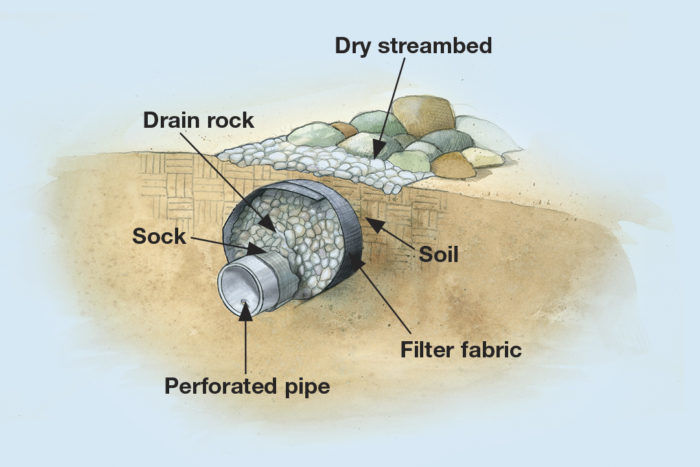
- Placement: Install the French drain system around the perimeter of the greenhouse to capture rainwater and prevent groundwater from entering.
- Drainage Pipes: Use perforated pipes surrounded by gravel to allow water to flow into the pipes.
The optimal slope or angle for French drain collection pipes to ensure good water flow typically ranges between 1% and 2%. This slope allows water to move efficiently along the pipe without creating too much speed that could lead to erosion or an insufficient gradient that causes water to stagnate.
Here’s a brief explanation:
1% Slope: This is a gentler slope, suitable for areas with light to moderate rainfall. It ensures steady water flow but might require a longer drainage path.
2% Slope: This is a slightly steeper slope, allowing for effective drainage in areas with heavier rainfall. It provides quicker water movement but may be prone to erosion if not properly managed.
To calculate the necessary slope, divide the vertical drop (elevation change) by the horizontal distance. For example, if you have a 10-foot run and want a 1% slope, the drop would be 0.01 * 10 feet = 0.1 feet (or 1.2 inches).
Keep in mind that these are general guidelines, and the specific conditions of your site, soil type, and local rainfall patterns may influence the optimal slope for your French drain system. It’s crucial to ensure proper installation and backfilling with gravel to allow water to enter the perforated pipes effectively.
2. Collection Point:
- Location: Choose a specific point where the drainage pipes converge and lead the water towards the greenhouse.
- Beneath Foundation: Ensure the pipes enter the greenhouse beneath the shallow 12-inch foundation. Use proper waterproofing measures to prevent leaks.
3. Buried Cistern:
- Material: Choose a durable, waterproof material for the cistern. Options include concrete, plastic, or fiberglass.
- Size: Calculate the greenhouse roof’s runoff and the expected groundwater flow to determine the cistern size.
- Filtration: Install filters to prevent debris from entering the cistern.
Calculating the size of the cistern needed for your rainwater harvesting system involves estimating the total volume of water you plan to capture and store. Here’s a general guideline to help you calculate the size of the cistern:
- Calculate Roof Area:
- Determine the total catchment area of your greenhouse’s roof. Measure the length and width of the roof, and multiply these values to get the roof area in square feet or square meters.
- Calculate Rainfall Harvested:
- Estimate the average annual rainfall for your location. This information is typically available from local weather stations. Convert this value to inches or millimeters.
- Calculate Rainwater Harvested:
- Multiply the roof area by the average annual rainfall to get the total volume of rainwater harvested in cubic feet or cubic meters.
- Adjust for Efficiency:
- Consider the efficiency of your rainwater harvesting system. Not all the rainfall will be captured and stored due to losses from evaporation, runoff, and system inefficiencies. A common efficiency factor is around 85-90%, so multiply the calculated rainwater harvested by this factor.
- Consider Water Usage Needs:
- Determine your greenhouse’s water usage needs. This will depend on factors such as the type of plants, irrigation methods, and frequency of watering. Estimate the volume of water required over a certain period, such as a week or a month.
- Determine Cistern Size:
- Compare the estimated rainwater harvested with your water usage needs. The cistern size should be large enough to meet your water demand during dry periods between rainfall events.
As an example calculation:
Cistern Size=(Roof Area×Average Annual Rainfall×Efficiency Factor)−Water Usage NeedsCistern Size=(Roof Area×Average Annual Rainfall×Efficiency Factor)−Water Usage Needs
Keep in mind that these are general guidelines, and it’s essential to tailor the calculation to your specific conditions and requirements. Consulting with a local water conservation or rainwater harvesting expert can provide valuable insights for your particular situation.
4. Pump System:
- Submersible Pump: Use a submersible pump in the cistern to pump water to the catchment area. (Can use the Bellagio pump we initially got for the goldfish tank.)
- Float Switch: Include a float switch to control the pump automatically based on the water level.
A float switch is a type of level sensor, a device used to detect the level of liquid within a tank. The switch may be used to control a pump, as an indicator, an alarm, or to control other devices. One type of float switch uses a mercury switch inside a hinged float.
5. Catchment Feature:
- Fountain or Shallow Pond: Choose a visually appealing catchment feature that promotes water circulation.
- Aeration: Consider adding an aerator to prevent stagnation and improve water quality.
Such As:
AquaMiracle Pond Aeration Kit Koi Pond Aerator Pond Air Pump for Pond up to 15000 Gallons Pond Deicer All-in-One Pond Aeration System with Self-Sinking Airline Flow Control Rubber Air Diffuse: $149 (Amazon)
6. Overflow and Pressure Equilibrium:
- Overflow Outlet: Install an overflow outlet at an appropriate height in the cistern to prevent overfilling.
- An overflow outlet is a component in a water storage system, such as a cistern or a rainwater harvesting system, designed to prevent overfilling and potential damage. It provides a controlled pathway for excess water to exit the system once the storage capacity is reached.
- In the context of a rainwater harvesting system with a cistern, the overflow outlet is typically positioned at a specific height within the cistern. When the water level in the cistern reaches this predetermined point, any additional water flows out through the overflow outlet.
- Key features of an overflow outlet:
- Prevention of Overfilling: The primary purpose of the overflow outlet is to prevent the water storage system from overfilling, which could lead to flooding, structural damage, or other issues.
- Controlled Discharge: The overflow outlet allows for a controlled discharge of excess water. This helps avoid sudden and uncontrolled releases that could cause erosion or other problems in the surrounding area.
- Protective Measures: Installing an overflow outlet is a protective measure to ensure the integrity and longevity of the water storage system.
- Outlet Design: The overflow outlet can take various forms, such as a pipe or a channel, depending on the system’s design and requirements. It may discharge water to a designated safe area or drainage system.
- When designing a rainwater harvesting system or any water storage system, it’s crucial to include an overflow outlet at an appropriate height to manage water levels effectively and prevent overflows. This feature helps maintain the stability and functionality of the entire system while avoiding potential damage to surrounding areas.
- Pressure Relief Valve: Use a pressure relief valve to maintain pressure equilibrium and prevent damage to the system.
- A pressure relief valve, also known as a pressure release valve or safety valve, is a critical component in various systems to protect them from excessive pressure. The valve is designed to automatically release or relieve pressure when it exceeds a predetermined set point. This helps prevent damage to the system, ensuring its safety and proper operation.
- Key features of a pressure relief valve:
- Set Pressure:
- The valve is set to open and release pressure when the internal pressure of the system reaches a certain level. This predetermined pressure is known as the “set pressure” or “set point.”
- Automatic Operation:
- The pressure relief valve operates automatically without the need for manual intervention. When the pressure surpasses the set point, the valve opens to allow excess pressure to escape.
- Safety Function:
- The primary purpose of the pressure relief valve is to protect the system from potential damage caused by overpressure. This is crucial in applications where maintaining a specific pressure range is essential for the system’s integrity and safety.
- Various Designs:
- Pressure relief valves come in various designs, including spring-loaded, pilot-operated, and rupture disk types. Each design is suited to different applications and pressure conditions.
- Installation Location:
- Pressure relief valves are typically installed at strategic points in a system where pressure buildup is a concern. For example, they may be found in steam boilers, water heaters, pressure vessels, and other industrial or plumbing systems.
- Certification Standards:
- Pressure relief valves are often subject to industry standards and regulations. Ensuring that the valve complies with relevant standards is essential for maintaining system safety.
- In the context of your rainwater harvesting and storage system, a pressure relief valve could be used to manage pressure within the system, especially if you are incorporating a pump. It helps prevent overpressurization, which could lead to equipment failure or damage. When designing your system, consult with professionals to determine if a pressure relief valve is necessary and the appropriate specifications for your specific setup.
7. Maintenance:
- Regular Inspection: Periodically inspect the system for clogs, leaks, or any issues.
- Clean Filters: Clean cistern filters and pump intake regularly to ensure efficient operation.
Additional Tips:
- Rainwater Quality: Keep in mind the quality of rainwater; it may need additional filtration for greenhouse use.
- Solar Power: Consider using solar-powered pumps for sustainability.
- Professional Assistance: If needed, consult with a local engineer or landscape professional for specific design considerations.