
“Useful Websites” Playlist
0:00 Intro
0:31 Alternatives to Popular Software
0:56 Online Photo Editor
1:35 Security News -Virus Removal Guides
2:01 Social Learning Community for Students
2:39 Listen to Public Safety Scanners
3:27 Amazon Price Tracker
4:07 Game System Requirement Checker
5:25 Free Transparent Images
5:52 Learn to Code
6:11 Improve Coding Skill
7:20 Math Problem Solver
8:11 Graphic Design Site
8:58 Check If Website is Down
9:38 Learn a New Language
10:27 Automatic Meal Planner
10:55 Search Engine That Plants Trees
11:11 Internet Speed Test
11:32 Learn to Code
11:59 Computer Science Portal for Geeks
12:33 Hyperlink Identifier
13:14 Free Collection of Fonts
13:56 Fresh Hacks Every Day
14:24 Security Training
14:58 Date Breach Informer
15:26 Learn Something New Every Day
16:13 Game Lengths
16:50 Learn How Everything Works
17:10 DIY Electronics Repair Guides
17:49 Online PDF Tools
18:27 Do-It-Yourself Projects
18:47 Game Deals Service
19:16 Video Streaming Guide
19:55 Amazon Price Tracker
20:40 Free Online Courses
21:07 Math Solver
21:48 Learn Another Language
22:16 Windows Software Package Manager
23:00 Background Noise Generator
23:42 File Converter
24:31 Free Cultural & Education Media
25:00 Free eBooks
25:15 PC Builder Comparison Site
26:15 PDF Files Search Engine
26:53 Online Image Editor
28:00 Free Stock Photos
28:18 Image Editing Tools
28:41 Makes Websites Print Friendly
29:20 Send Notes That Self-Destruct
29:45 Free Online eBooks
30:09 Road Trip Planner
31:10 Free Programming Language & Community
31:42 Free PDF Conversion Tool
32:51 Airline Seat Maps & Reviews
33:43 Learn the Basics of Programming
34:07 Make Music Online
35:52 Recipe Search Engine
36:27 Temporary Email Address
37:01 Compress Images
37:50 Terms of Service; Didn’t Read
38:51 Improve Your Typing Skills
39:37 Dictionary for Slang Words & Phrases
40:06 Files/Website Security Checker
40:40 Book Recommendation Service
41:06 Gaming Monitor Forum
41:45 Computational Knowledge Search Engine
42:17 Video Sharing Service
42:38 Recap – All Websites Mentioned
Bit of This, Little of That
Michigan Wetland Plants
Western Michigan falls within USDA Hardiness Zones 5a to 6a, which means we have a moderately cool climate with cold winters.
Here are some native wetland plants suitable for our region:
Willow Species (Salix spp.)
:max_bytes(150000):strip_icc():format(webp)/GettyImages-615975908weepingwillowtreejuly7th-86a1f0728f3d4ea48df0b8684a23293b.jpg)
They provide habitat, stabilize soil, and some have attractive weeping forms.
Pickerelweed (Pontederia cordata)

Blue Flag Iris (Iris versicolor)

Swamp Milkweed (Asclepias incarnata)

Cardinal Flower (Lobelia cardinalis)
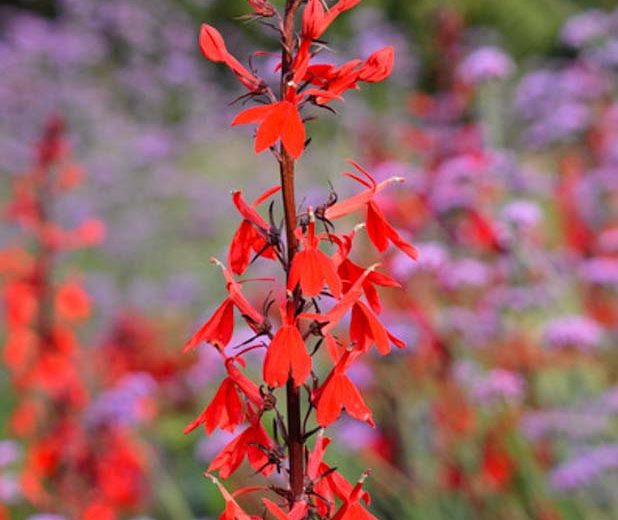
of color to wetland areas and attracts hummingbirds.
Joe Pye Weed (Eutrochium maculatum)

Bluejoint Grass (Calamagrostis canadensis)

providing habitat and stabilization for the soil.
Sweet Flag (Acorus calamus)
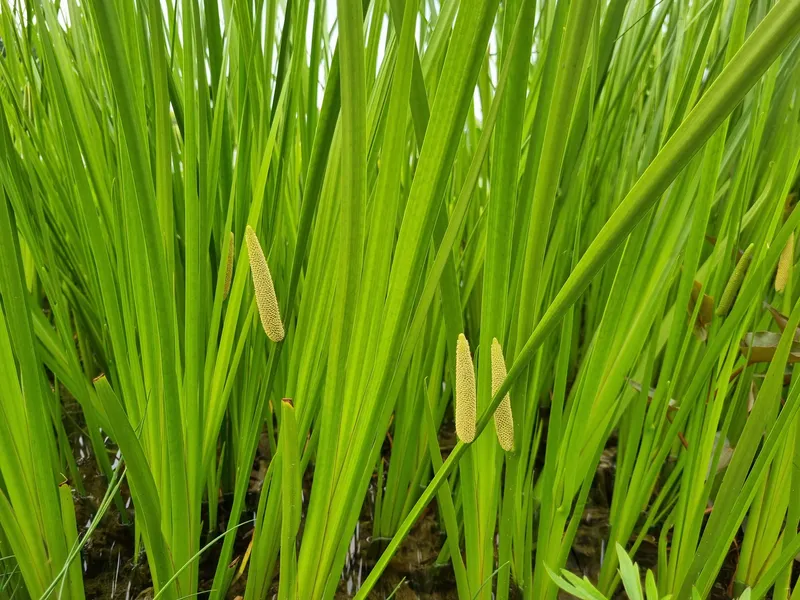
It can tolerate a variety of wet soil conditions.
Red Twig Dogwood (Cornus sericea)

Elderberry (Sambucus canadensis)

elderberry is beneficial for wildlife and can tolerate wet soils.
Dutch Bucket Gardening
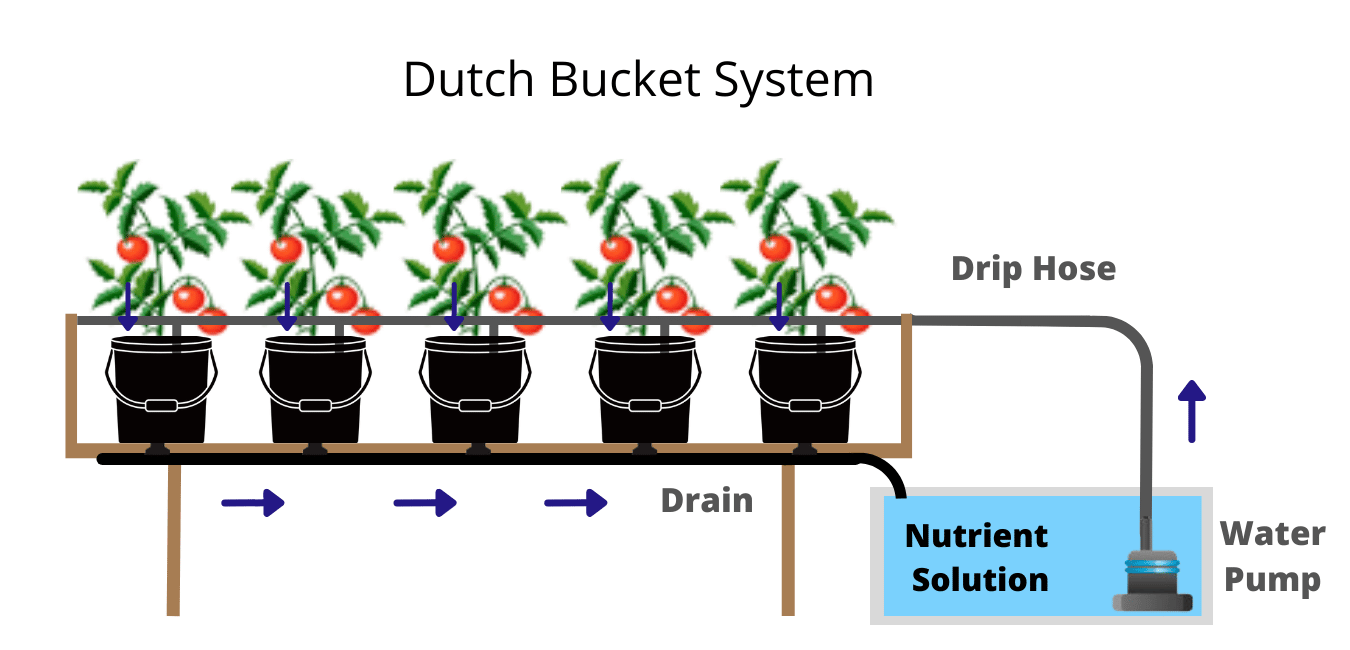
Dutch Bucket Gardening, also known as Bato Bucket Gardening, is a hydroponic growing method used for cultivating plants, particularly vegetables like tomatoes, peppers, and cucumbers. The system typically consists of individual containers or buckets filled with a growing medium, such as perlite or coconut coir, where plants are grown using a nutrient-rich water solution.
Here’s a basic overview of how Dutch Bucket Gardening works:
- Buckets/Containers: Each plant is placed in a separate container or bucket filled with a growing medium. These buckets usually have a reservoir at the bottom to hold the nutrient solution.
- Growing Medium: Instead of soil, a soilless growing medium like perlite, coconut coir, or a mix of these materials is used. This provides support for the plant roots and allows for good aeration.
- Nutrient Solution: Plants receive their nutrients through a continuous flow or periodic flooding of a nutrient-rich water solution. The nutrient solution contains essential minerals required for plant growth.
- Watering System: A drip irrigation system or a similar mechanism is commonly used to deliver the nutrient solution to each bucket. This ensures that plants receive a consistent and controlled supply of water and nutrients.
- Monitoring and Control: The system often includes monitoring devices such as pH and electrical conductivity (EC) meters to ensure that the nutrient levels are appropriate for plant growth.
Dutch Bucket Gardening is known for its efficiency in water and nutrient usage, as well as its suitability for growing a variety of crops in a controlled environment. It’s commonly used in greenhouse settings and allows for better control over growing conditions, making it popular among hydroponic enthusiasts and commercial growers.
Unintended To-Dos Done
Measurements Along the Drive
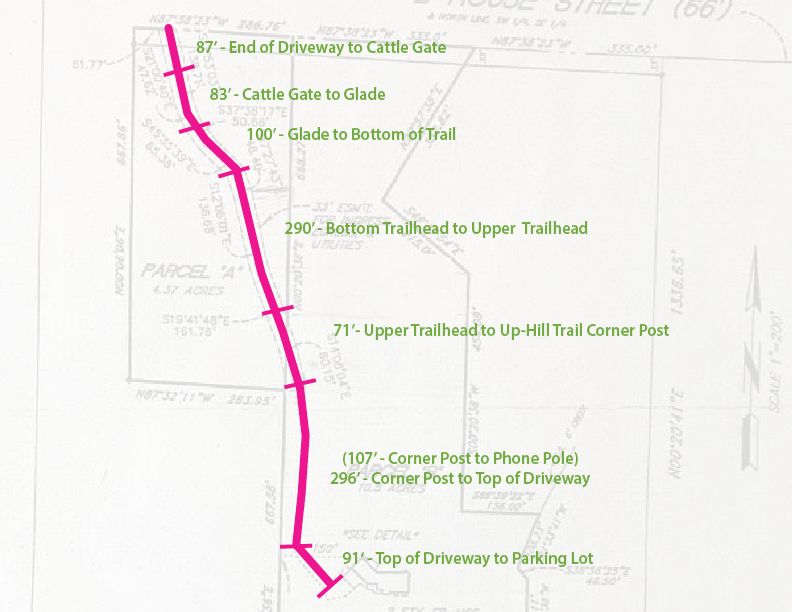
Keeping Step
Herb Spiral
Grow lots of herbs in a small space!

A Herb Spiral is a vertical garden design that consists of a raised, spiraling structure with various planting levels. The spiral shape allows for different microclimates, enabling a variety of herbs to be grown in a compact space. Herbs with similar water and sunlight needs are planted in corresponding areas of the spiral, making it an efficient and visually appealing way to cultivate a diverse herb garden.
Keyhole Gardens
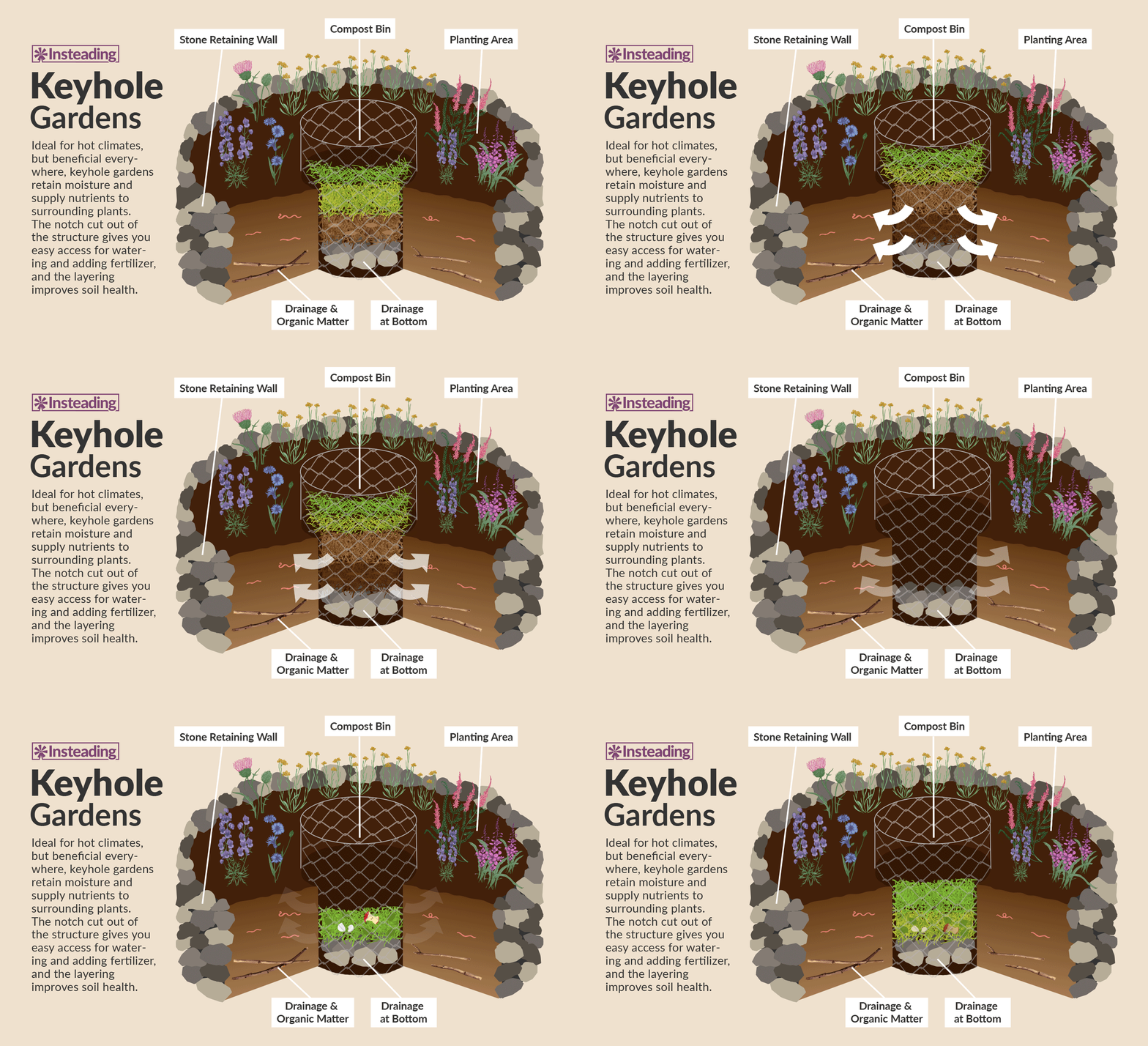
A keyhole garden is a raised garden bed with a central composting basket, shaped like a keyhole when viewed from above. It’s designed to maximize growing space and conserve water, often used in areas with limited resources. The central compost basket provides nutrients to the surrounding soil, promoting sustainable and efficient gardening.
Goat Barn Placement in Wooded Setting
- Sunlight and Ventilation:
- Choose a location that allows plenty of sunlight to reach the barn. This helps with natural lighting and warmth.
- Ensure good ventilation by placing the barn in a way that prevailing winds can pass through, helping to keep the air fresh and reduce moisture.
- Terrain and Drainage:
- Select a site with well-drained soil to prevent waterlogging. Goats are susceptible to hoof problems, so a well-drained area helps maintain good hoof health.
- Avoid low-lying areas prone to flooding, especially during heavy rain.
- Accessibility:
- Ensure easy access for both goats and caretakers. A flat or gently sloping terrain is preferable for ease of movement.
- Consider proximity to a water source for both the goats and barn cleaning.
- Protection from Predators:
- Position the barn in a way that provides some natural protection from predators. Clear away dense underbrush and ensure good visibility for the goats and caretakers.
- Consider using fencing or other predator deterrents as an additional layer of protection.
- Forage Availability:
- If possible, place the barn in an area where there is access to good forage for the goats. This can help supplement their diet and reduce the need for additional feeding.
- If possible, place the barn in an area where there is access to good forage for the goats. This can help supplement their diet and reduce the need for additional feeding.
- Space for Expansion:
- Plan for future expansion if you anticipate an increase in the size of your goat herd. Ensure there is enough space for additional barns or grazing areas.
- Plan for future expansion if you anticipate an increase in the size of your goat herd. Ensure there is enough space for additional barns or grazing areas.
- Environmental Impact:
- Minimize the impact on the surrounding environment. Avoid clearing large areas of trees unnecessarily, and integrate the barn into the natural landscape.
- Minimize the impact on the surrounding environment. Avoid clearing large areas of trees unnecessarily, and integrate the barn into the natural landscape.
- Zoning and Regulations:
- Check local zoning regulations and permits before constructing the barn to ensure compliance with local laws.